Design Research

Design Research

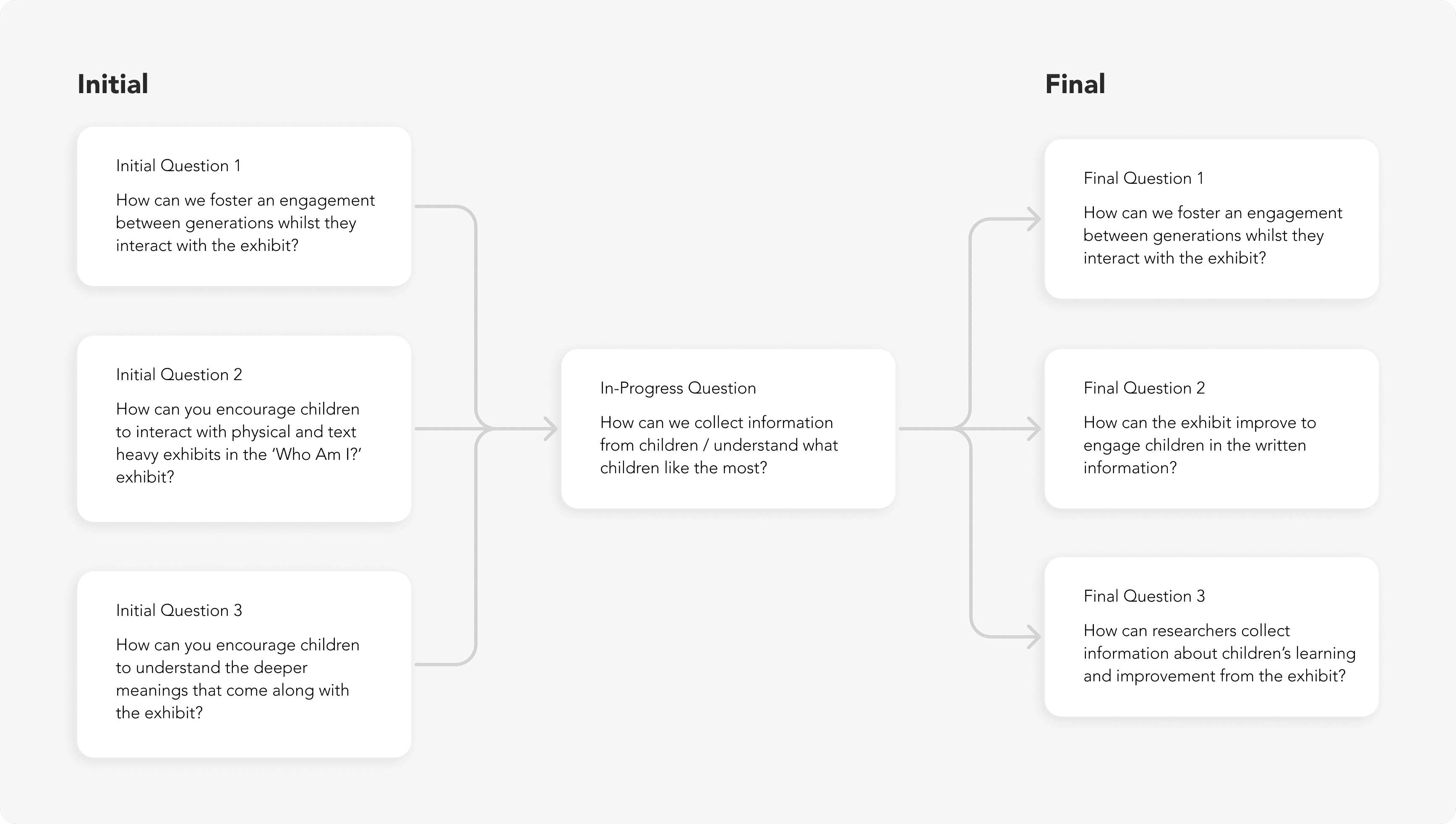
Using only observational data, how can the exhibit in the London Science Museum, Who am I?, implement a better user experience?

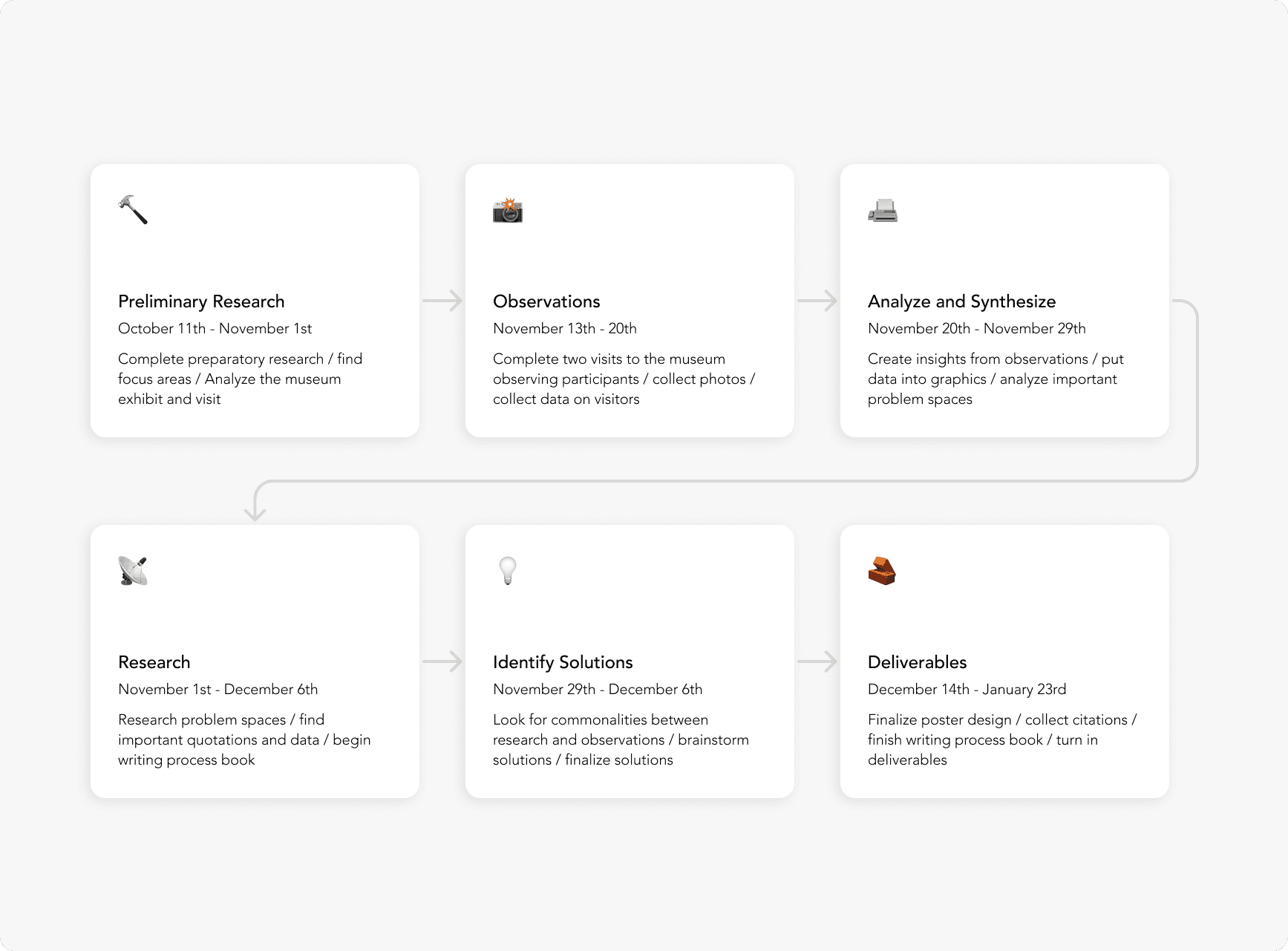
TIMELINE

Fall 2024

TYPE

Study Abroad

PROBLEM

As new generations come to the London Science Museum, the 'Who am I?' exhibit struggles with keeping the attention of their intended user base. How can field research and preparatory, and secondary research suggest potential solutions to improve the exhibit and engage younger children in its message and content?
01.

Project Background

Explicit user research, including surveying and interviewing, can give researchers clear answers to usability problems, but what about problems that users struggle to verbally express? In this project, the challenge was only using observational research to discover problem spaces.

THE EXHIBIT

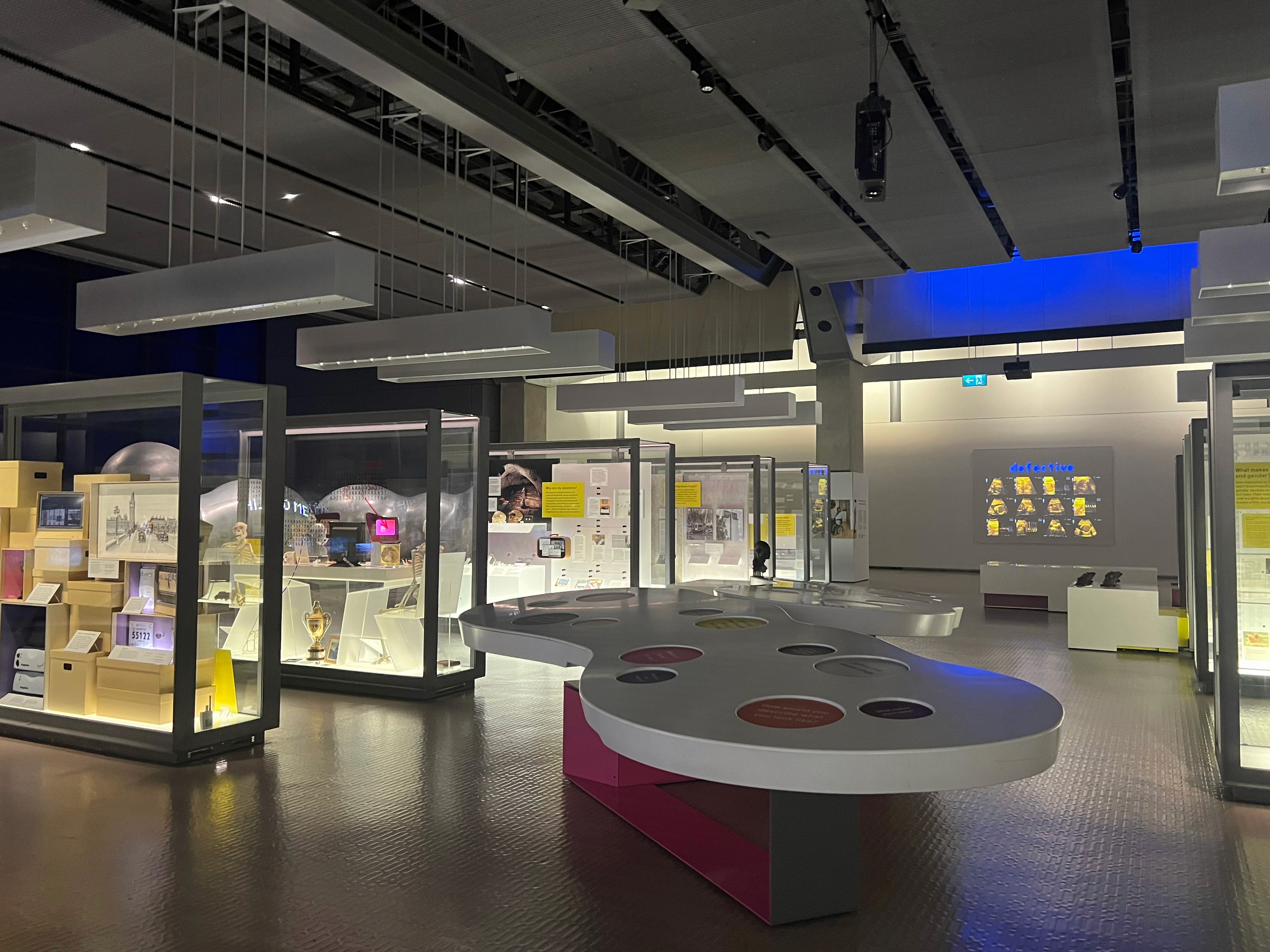
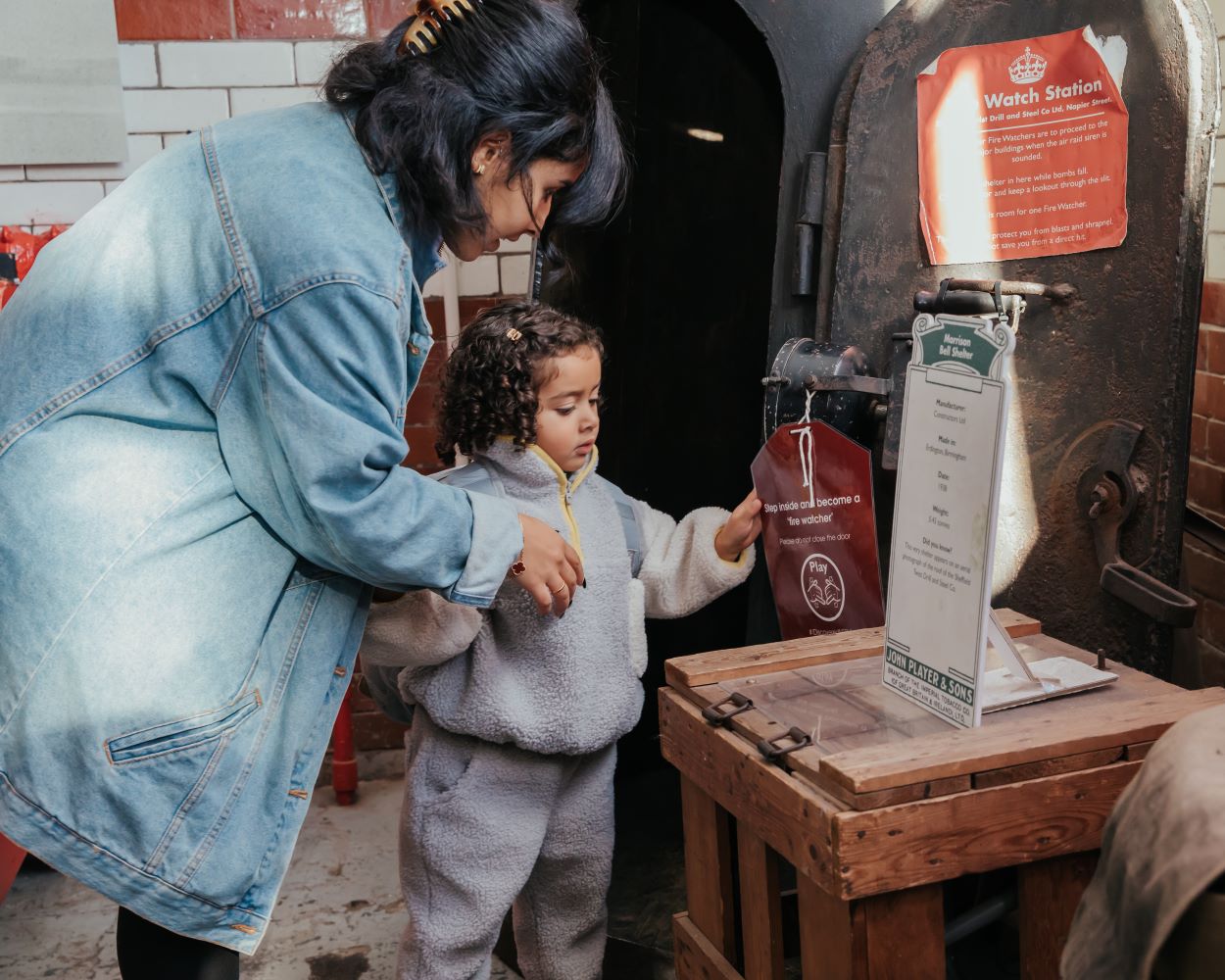
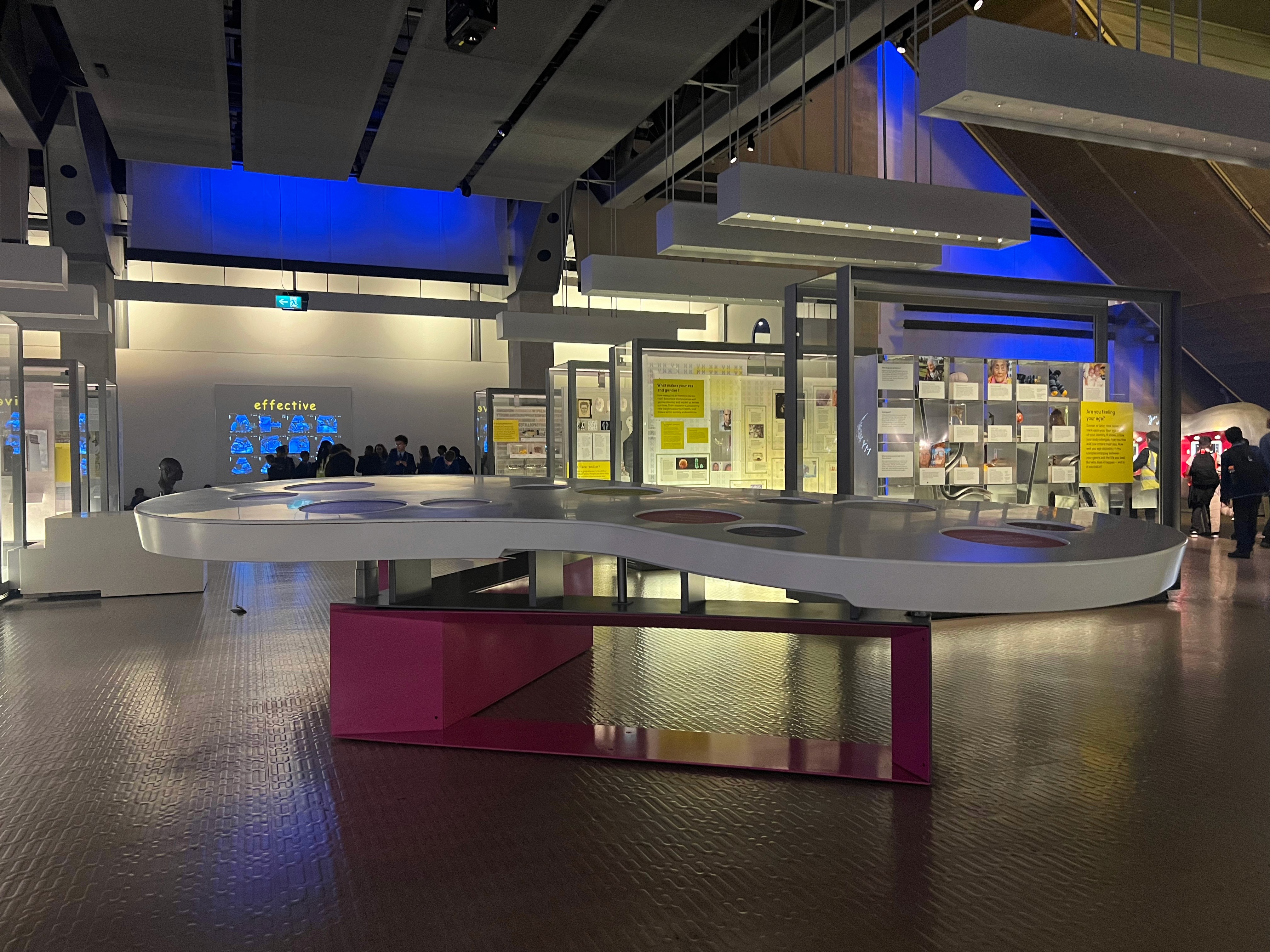
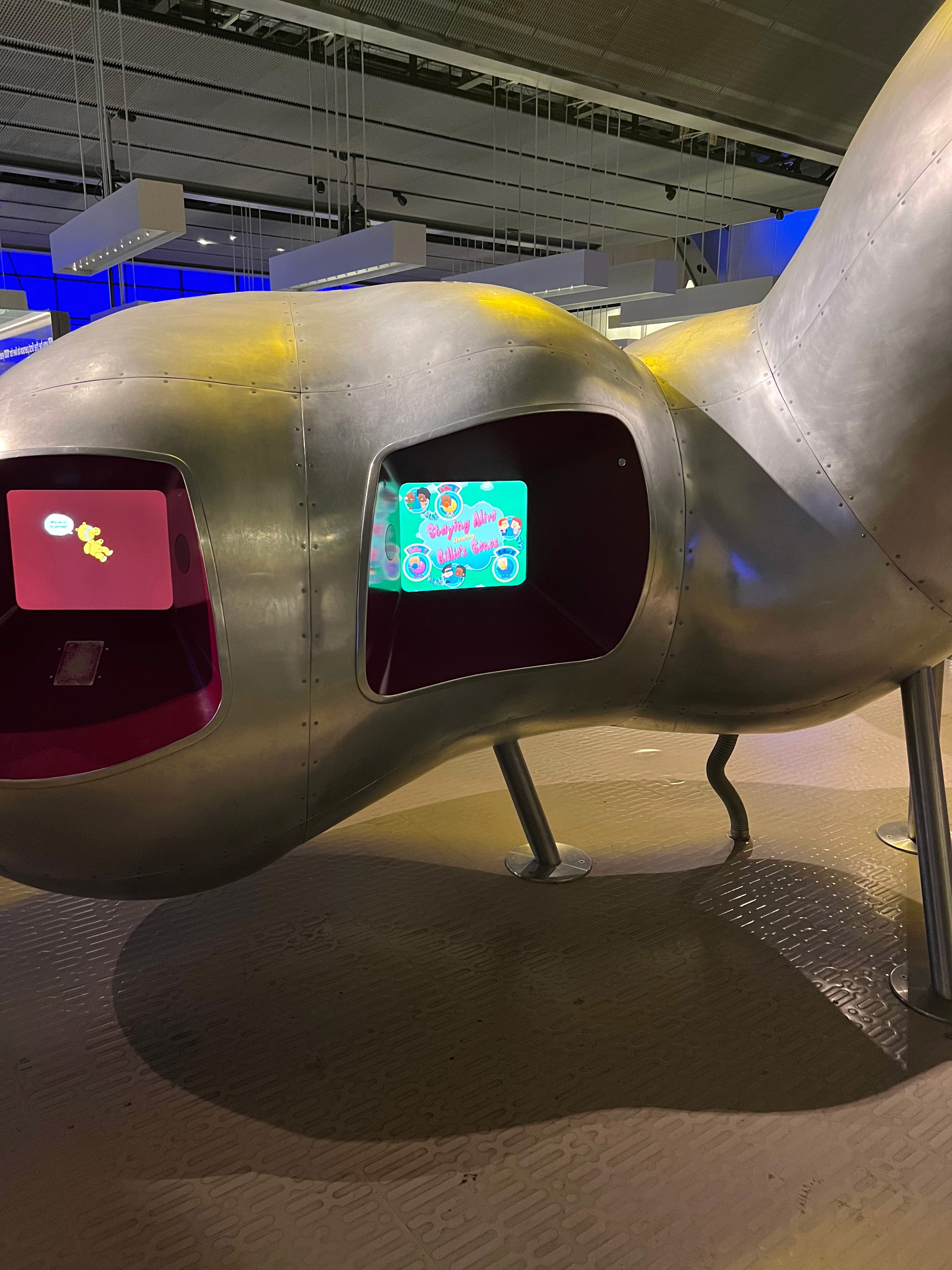
The Who Am I? Exhibit in the London Science Museum uses games and physical displays to encourage museum goers to investigate what characteristics make them human, focusing on genetics and your brain.

TIMELINE

RESEARCH QUESTIONS

02.

Research Collection

Preparatory and secondary research were vital to this project. Without being able to directly speak with users, it validated a lot of the insights we were drawing. I prepared 2 presentations of my research, and the information below is a consolidated summary.

PREPARATORY RESEARCH

EMPATHY IN MUSEUM DESIGN

  • Making exhibits relatable, and making the user create a solution can also spark a greater response.

  • Summary: Promote empathy by placing a user in the shoes of the exhibit.

DESIGNING FOR CHILDREN

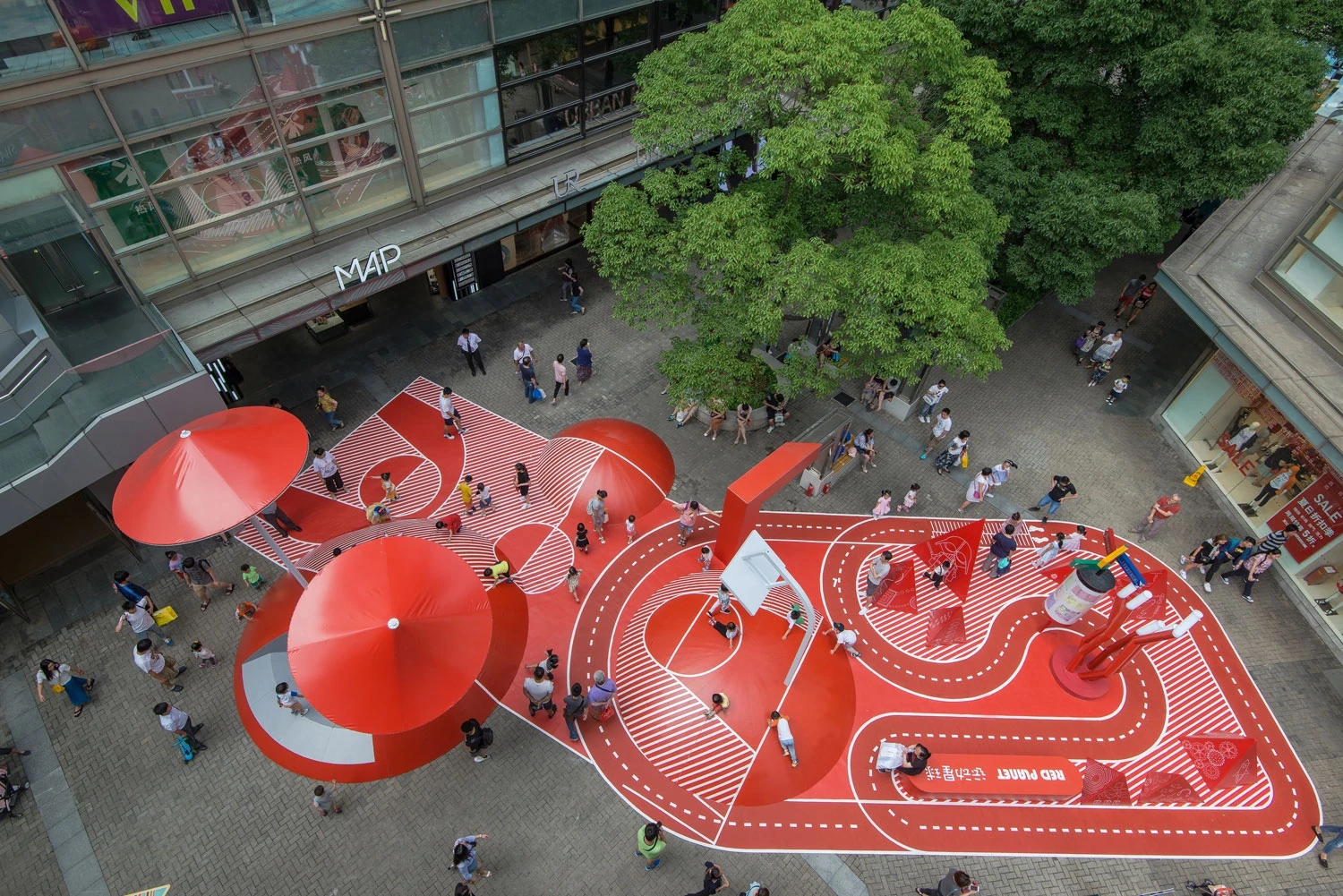
  • Acknowledging potential differences in families that visit: "dynamics, knowledge, points of reference, driver to visit."

  • If you anticipate children reading your content, adjust wording accordingly and make it engaging.

UX IN PUBLIC PLACES

  • Place

  • Input

  • Output and Feedback

  • Sensory Effects

  • Site Constraints

  • Technical Considerations

IMPACTFUL EXHIBITS

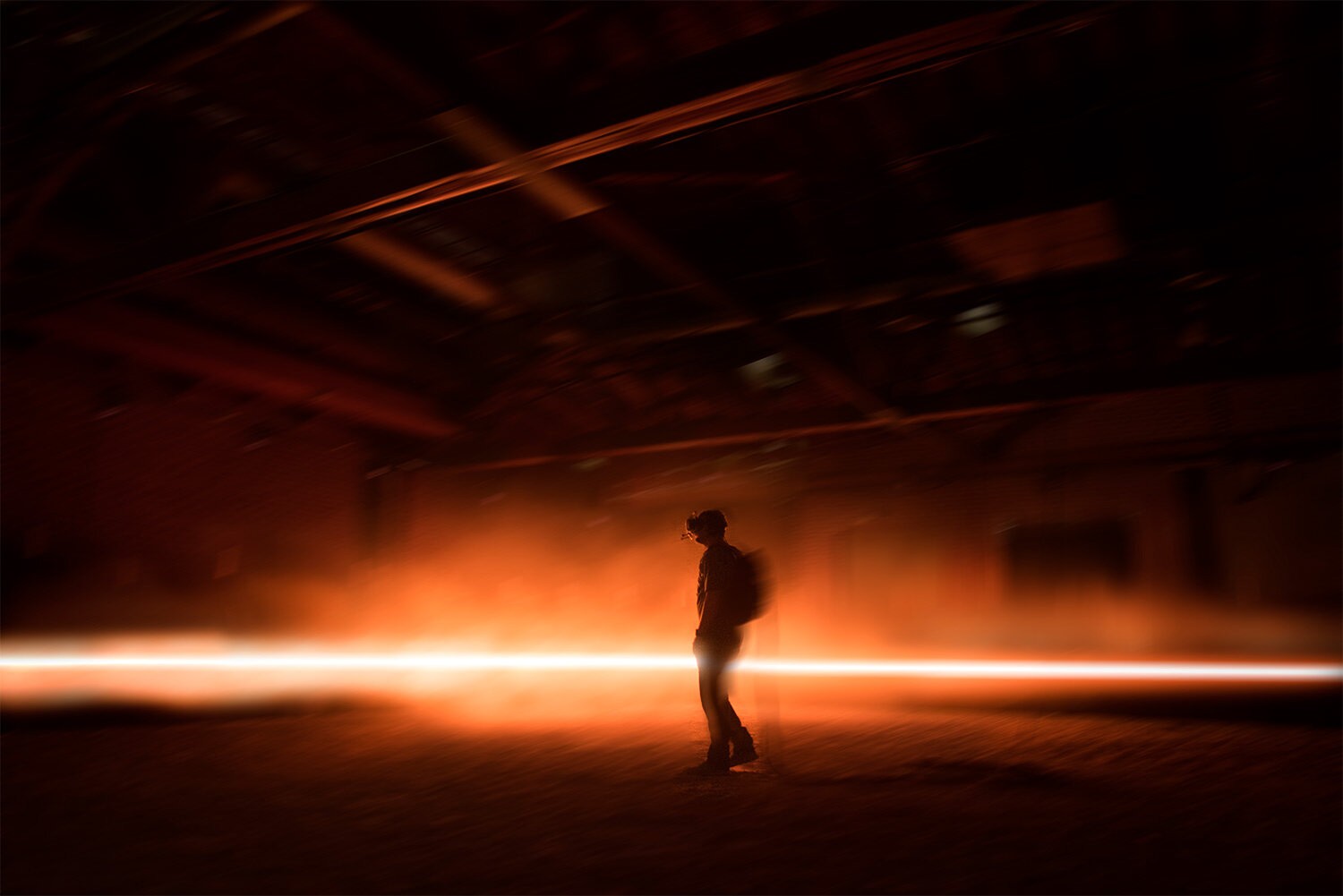
  • Related to preparatory research insights, create empathy through virtual and physical experiences.

  • Ask thought-provoking questions.

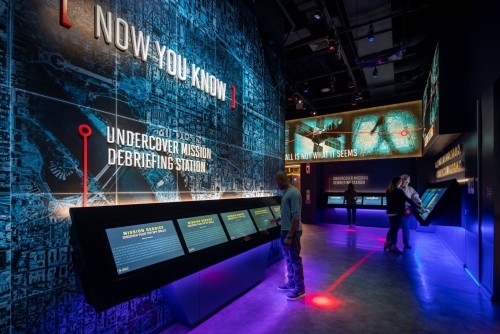
  • Create a story (Spy Museum DC).

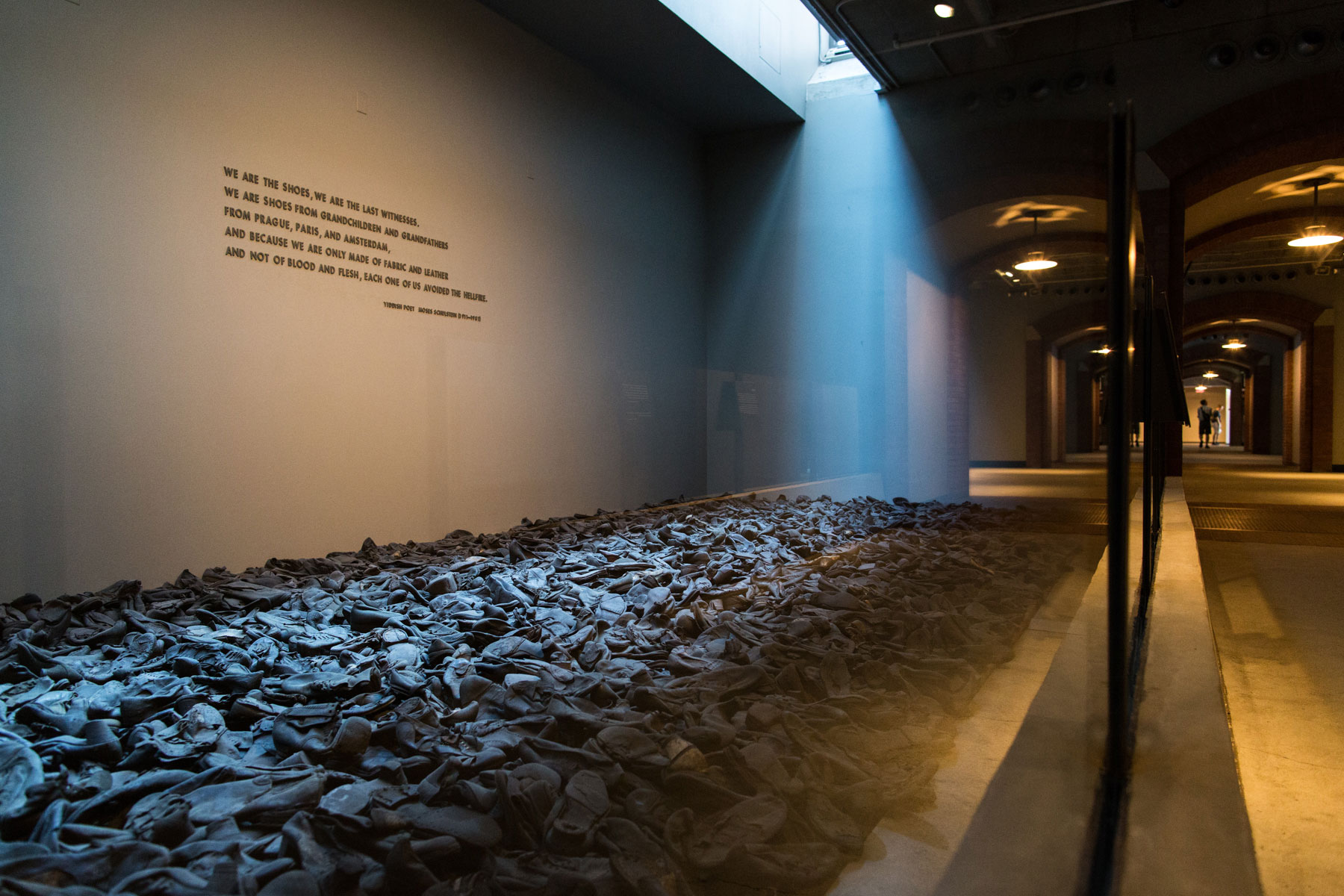
  • Put the user in the experience (Holocaust Museum, DC).

OBSERVATIONS

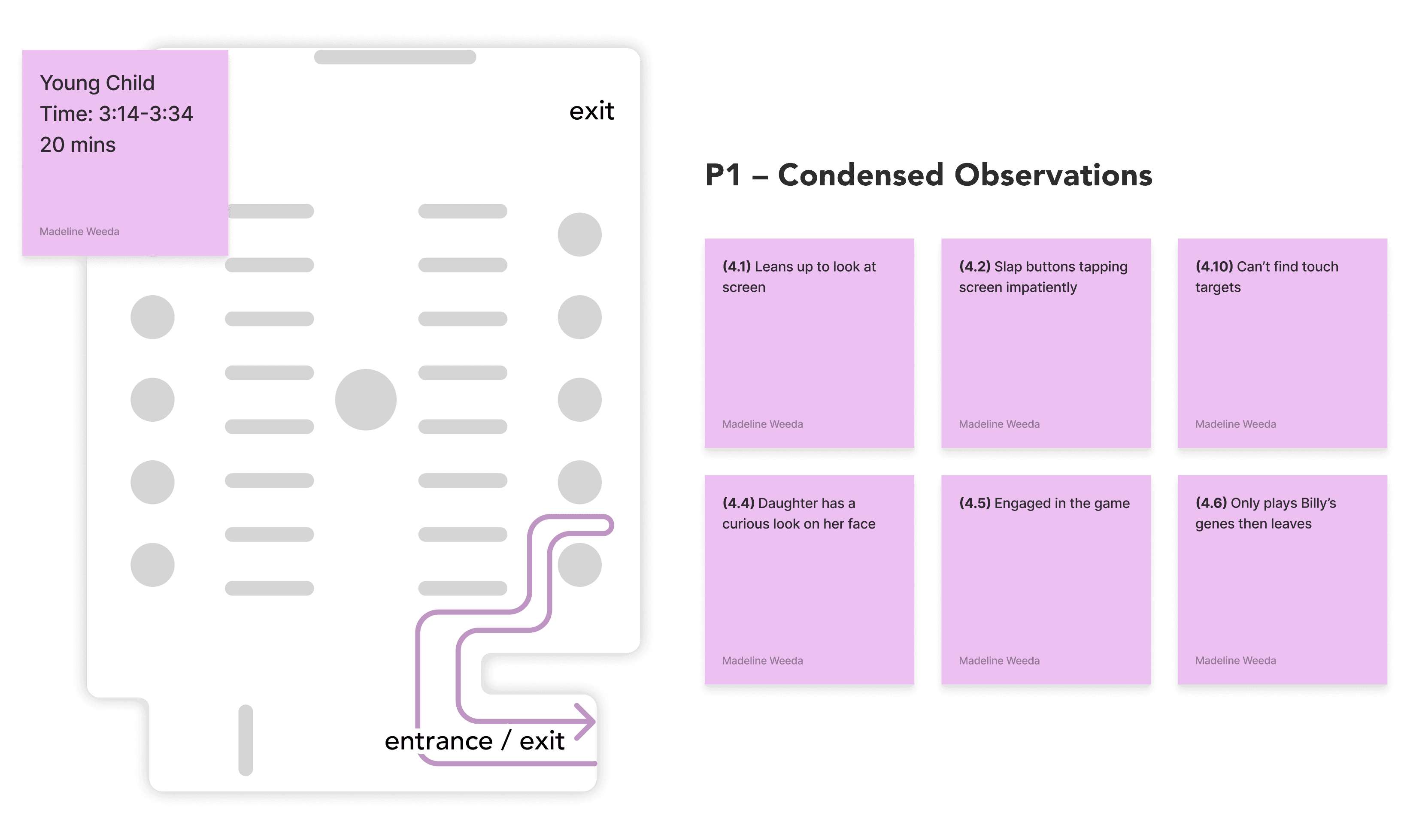
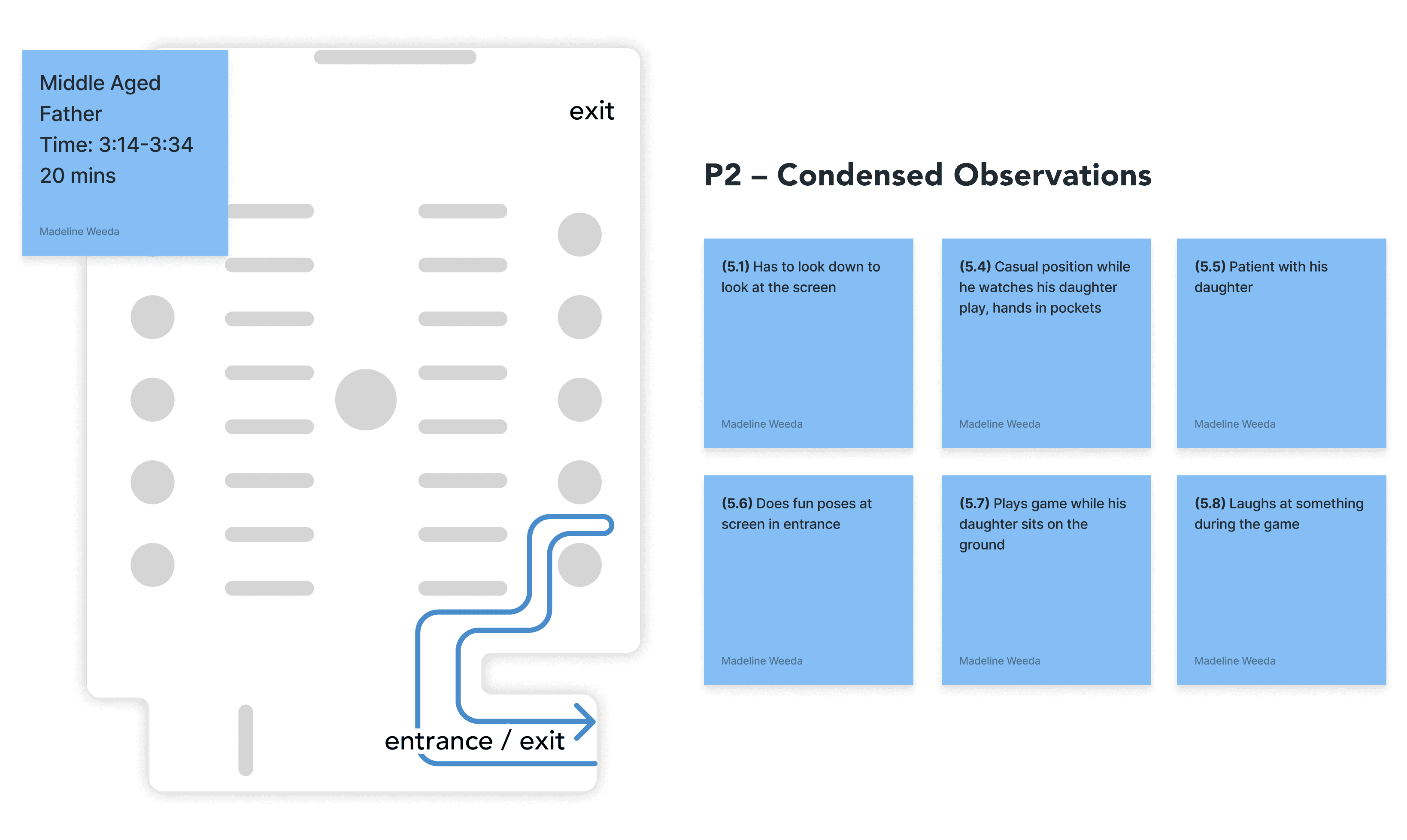
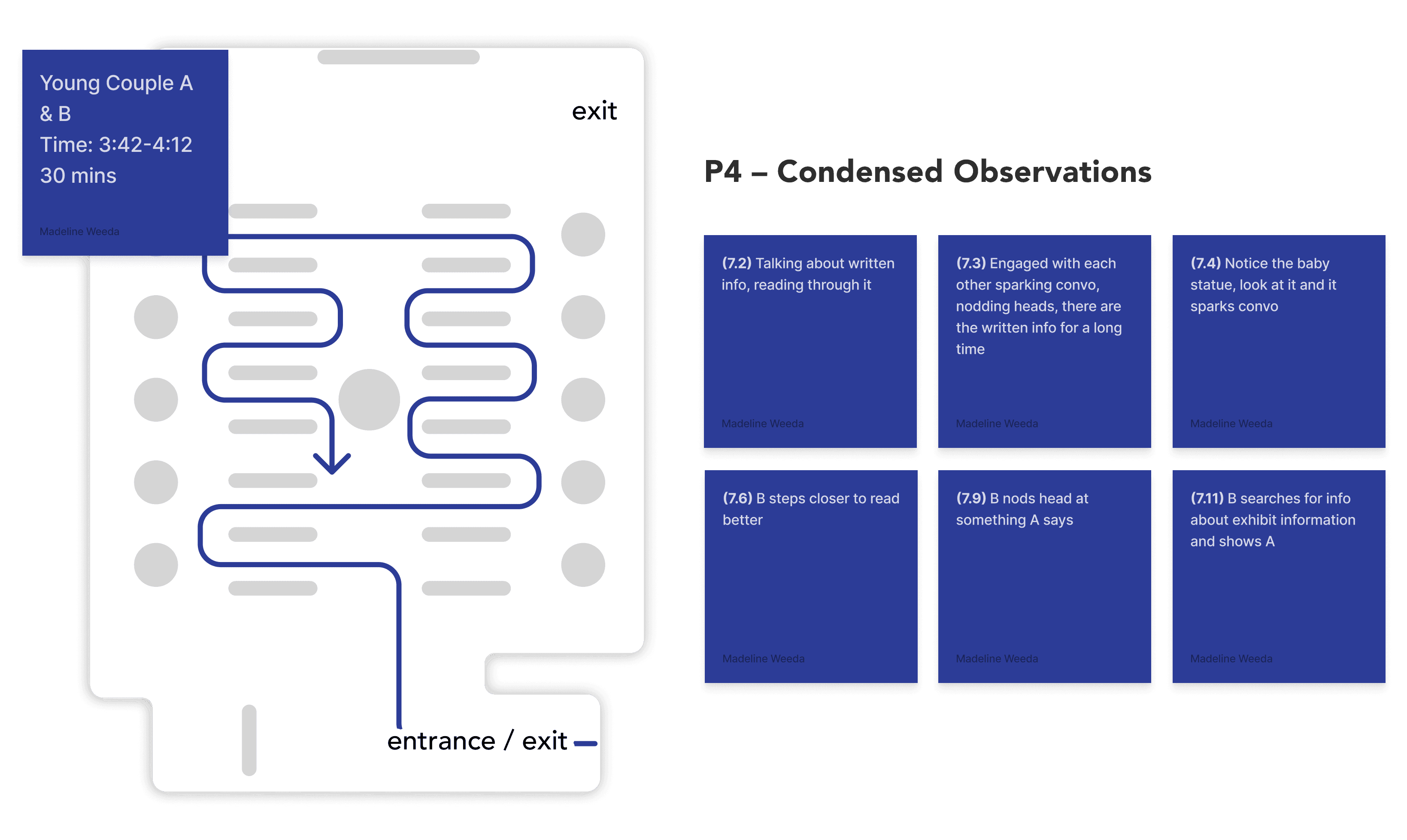
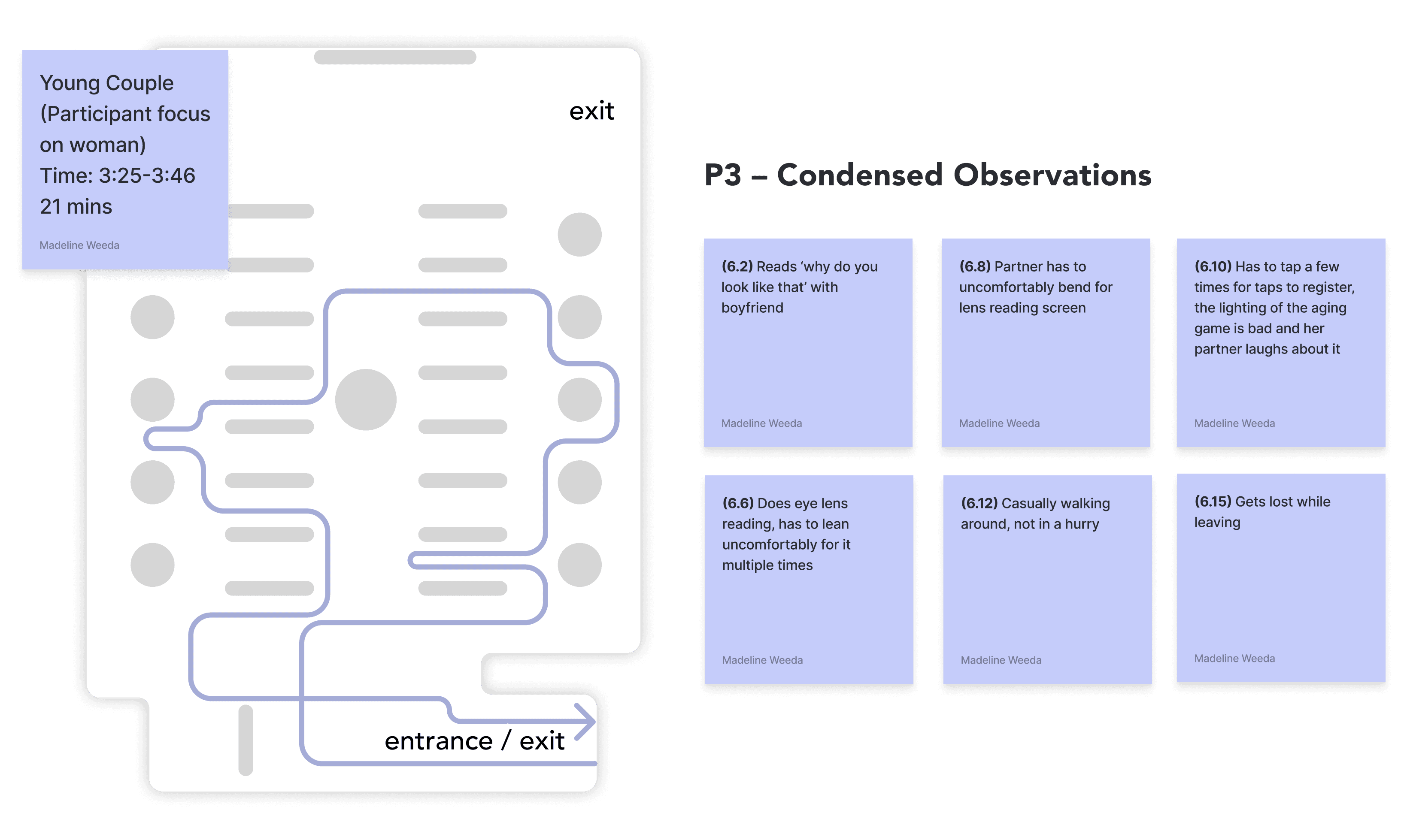
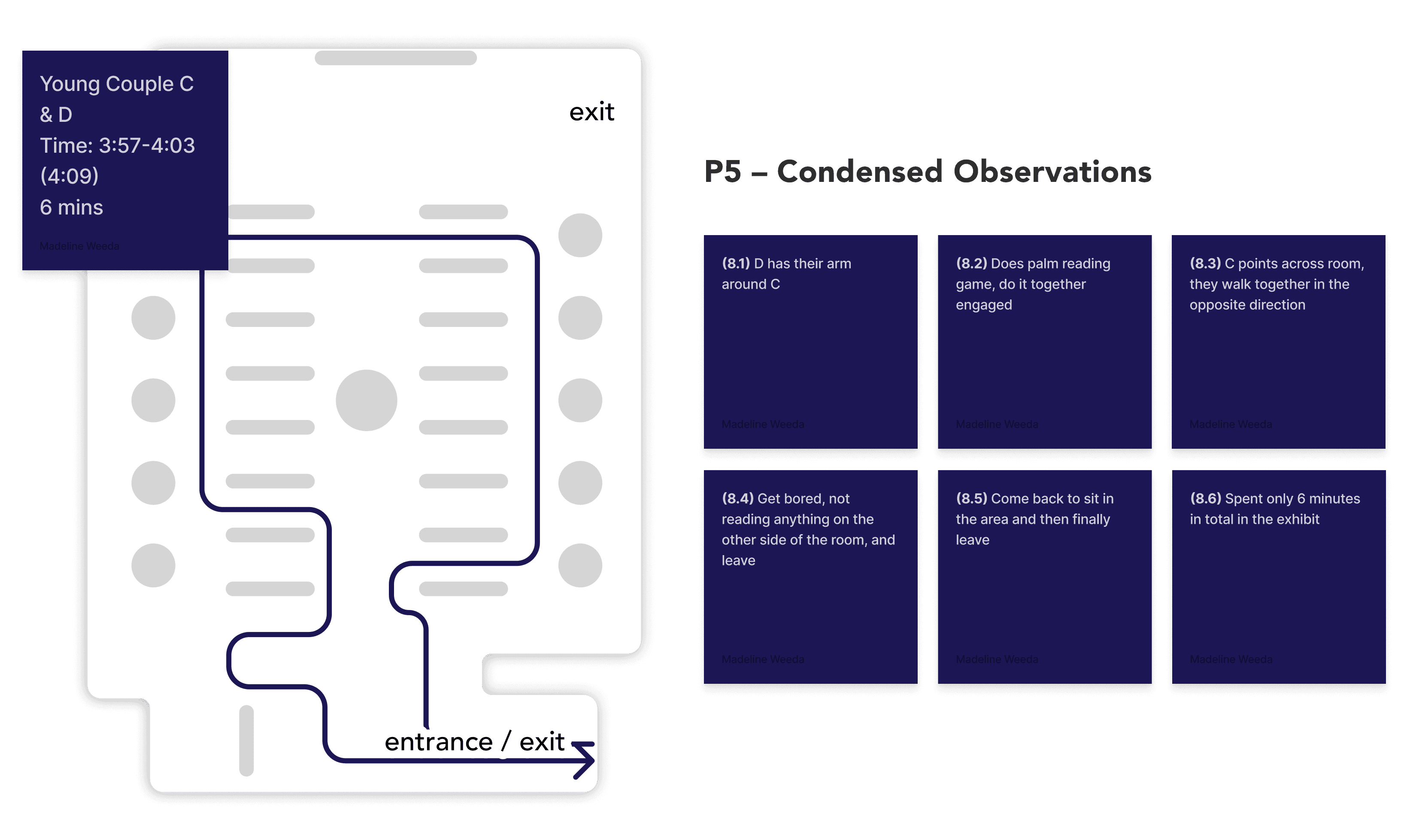
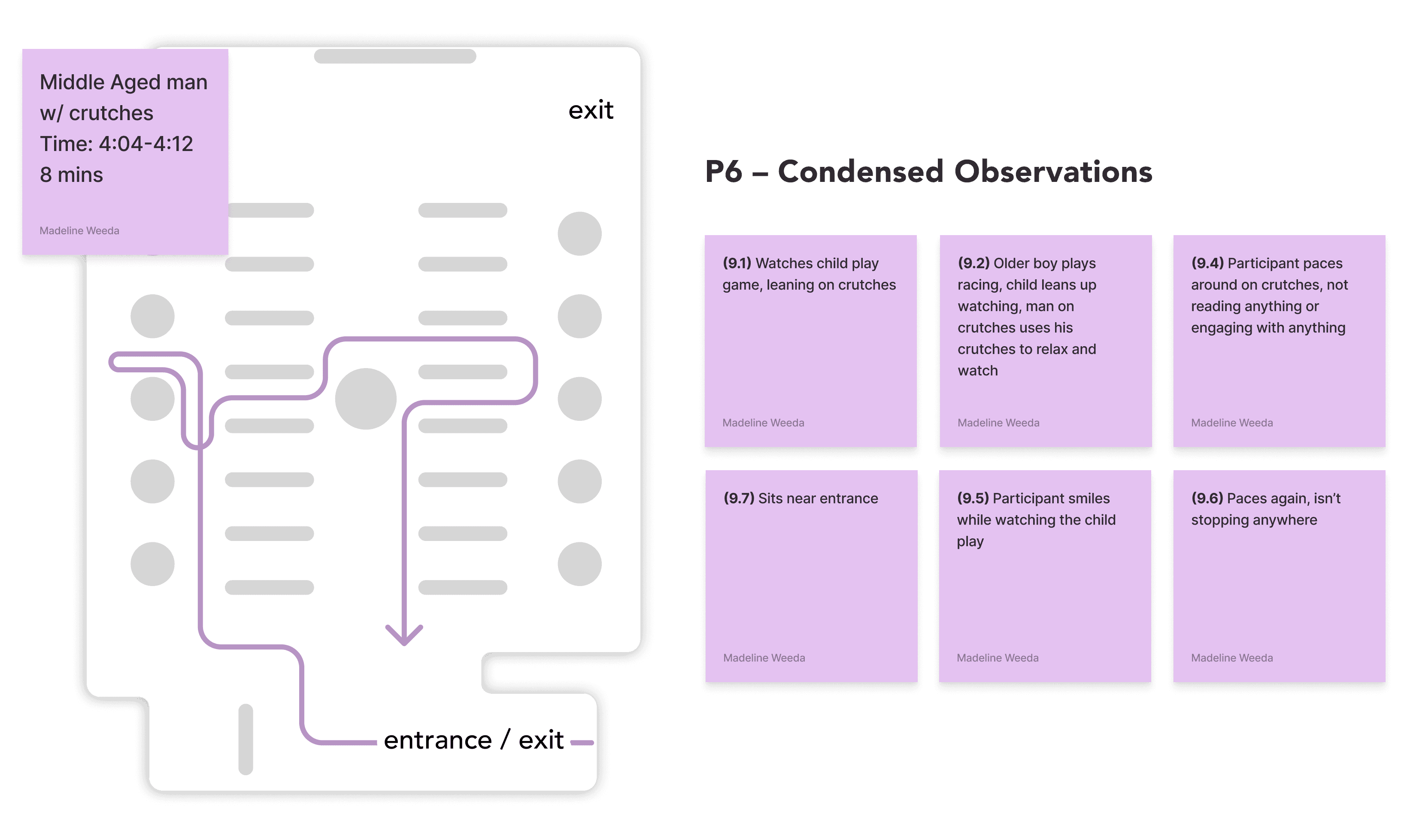
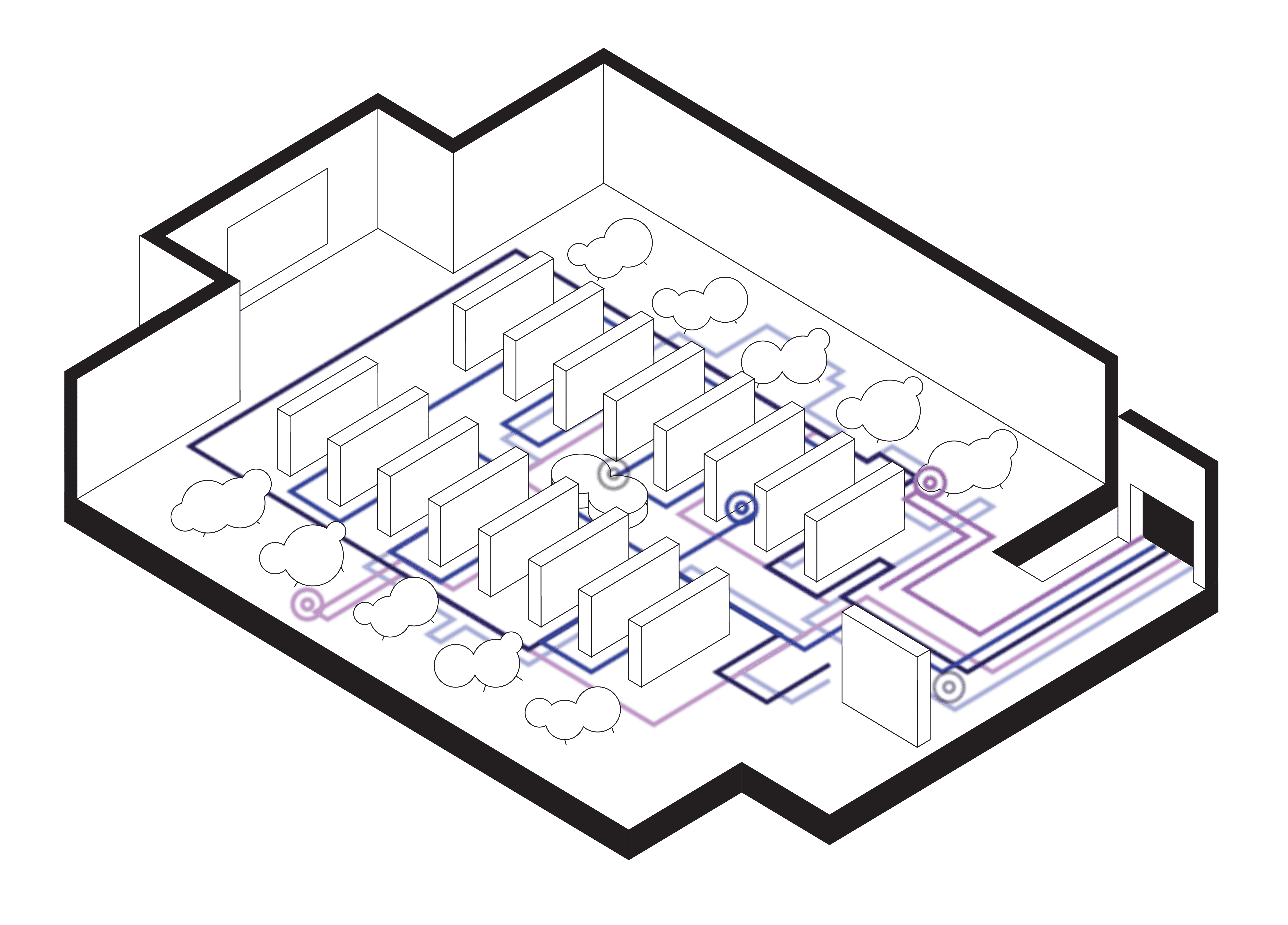
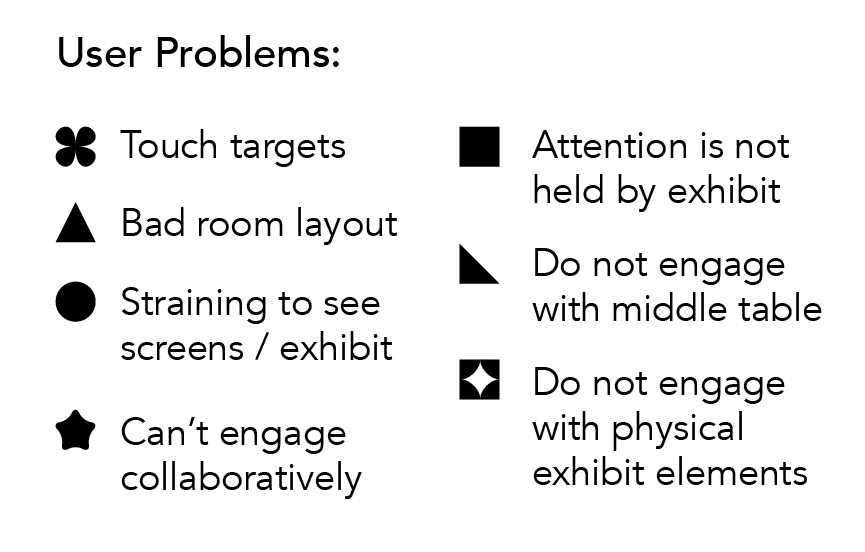
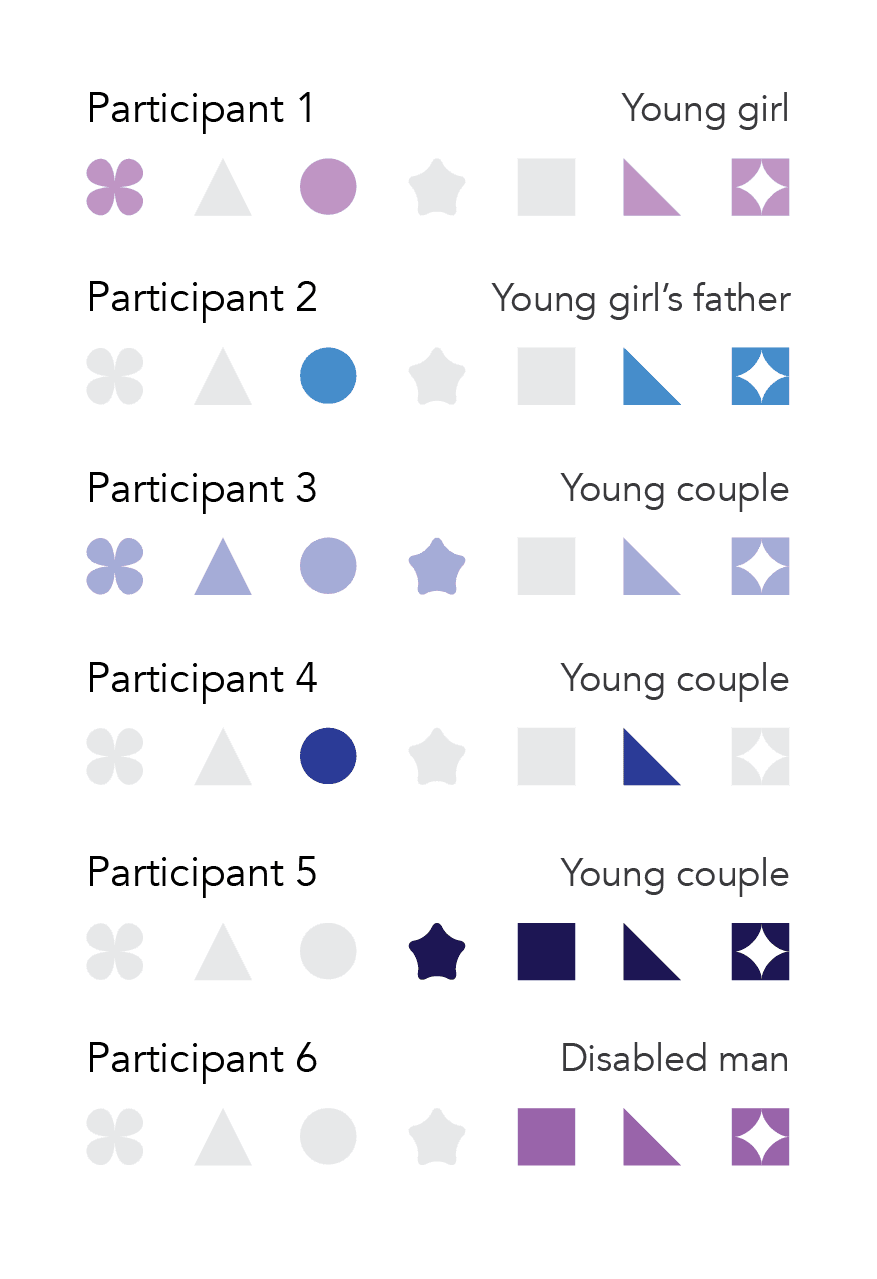
I visited the museum exhibit 3 separate times. The first time was in a group to get my bearings, the other two times were to collect the observations. Throughout my time at the museum, I collected 6 participant observations, along with 20+ general observations of museum goers.

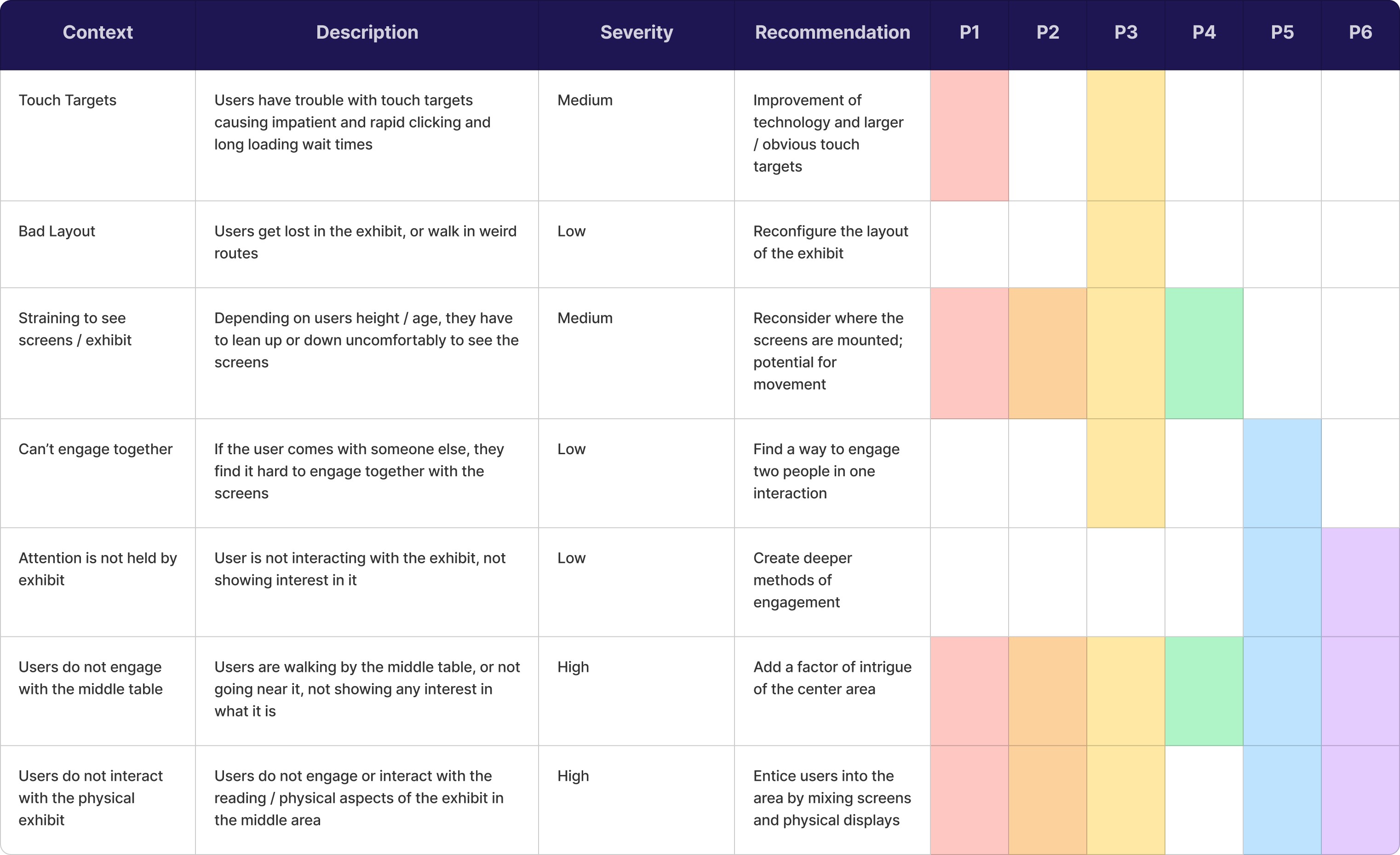
RAINBOW SPREADSHEET

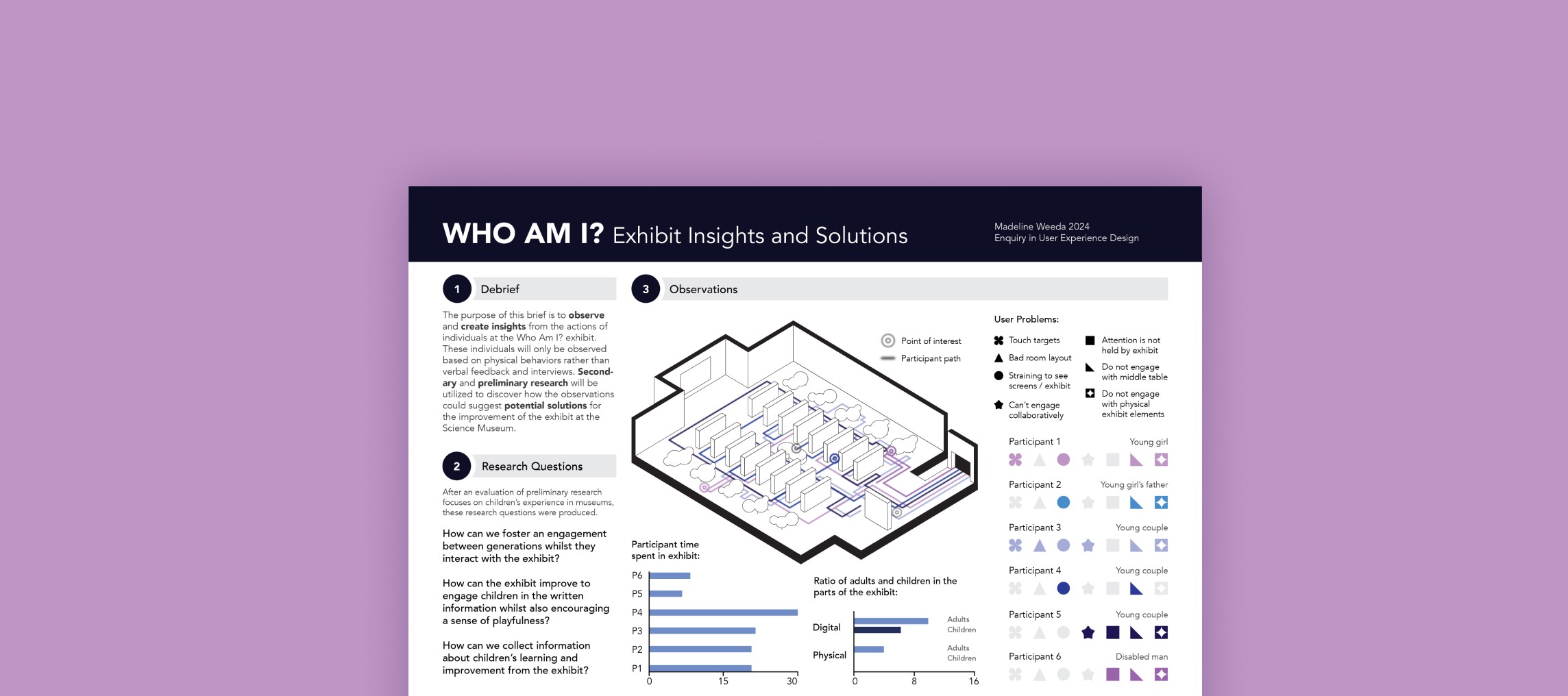
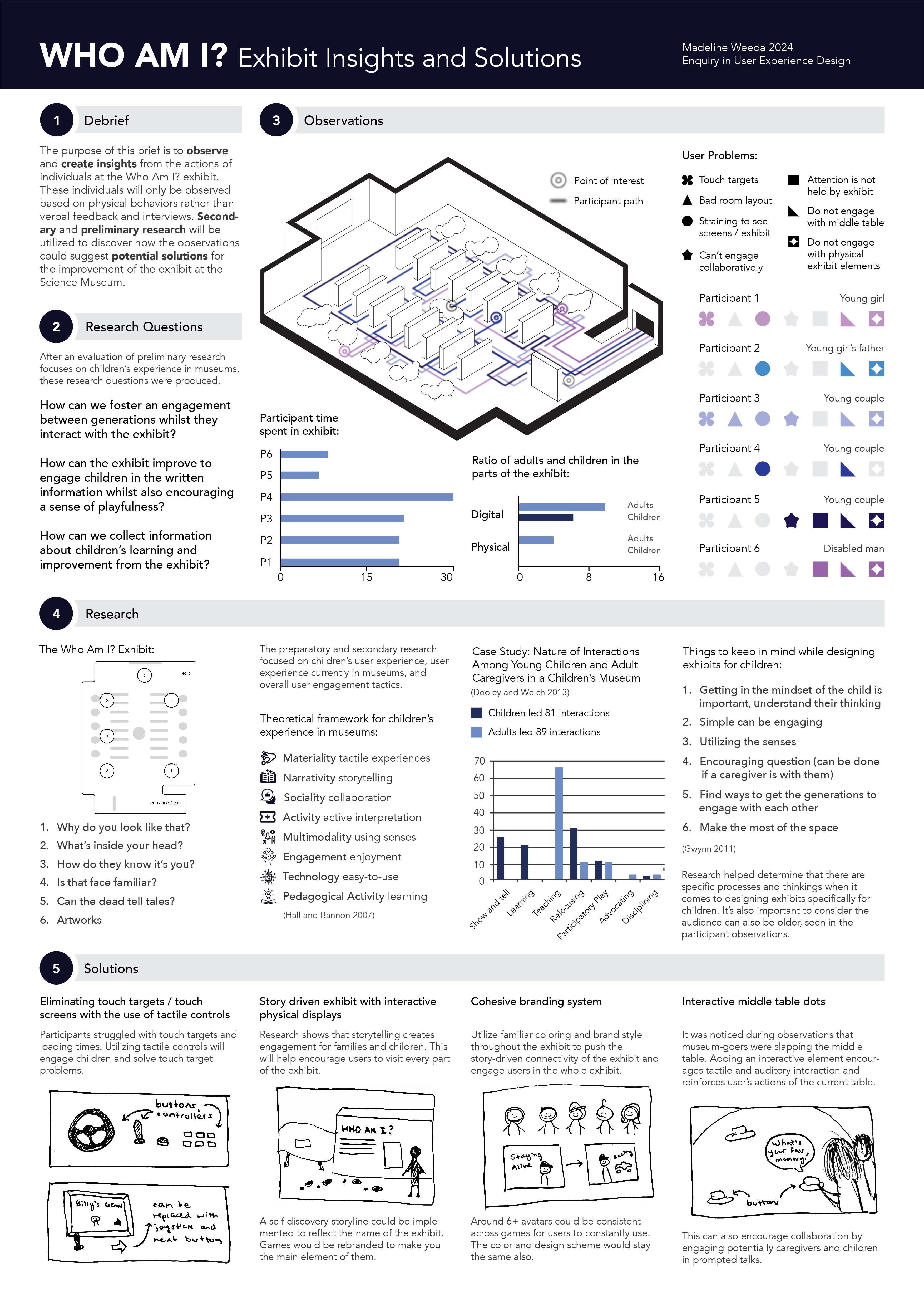
FINAL POSTER DESIGN
04.

Final Case Study

The case study was limited to 2000 words, making the main focus communicating all the process in clear and concise methods.

05.

Solutions

Completing my semester at UAL, I decided to revisit this project and quickly conceptualize some solutions for the exhibit that wouldn't force the museum to redo the entire exhibit.

I'm still developing this part of the project. Check in for updates soon!